On a geological timescale, the relatively new islands of Hawaii were formed directly from volcanos. The geology of Hawaii is therefore almost exclusively volcanic and is dominated by very hard basalt rocks. These rocks make drilling conditions in the region some of the most difficult to be found anywhere in the world. For water pump installation it is critical that the pump be installed vertically and any significant deviation during the drilling operation may require considerable reworking of the borehole.
The client wanted more quality control and additional information than a single shot tool could give at the target depth of the borehole. They opted for Robertson Geo’s Gyro tool as this could measure azimuth and inclination as part of the drilling process without the need to remove the drill rods. This would allow them to run a quick survey check at specified intervals or anytime if it was suspected that the drilling inclination was drifting.
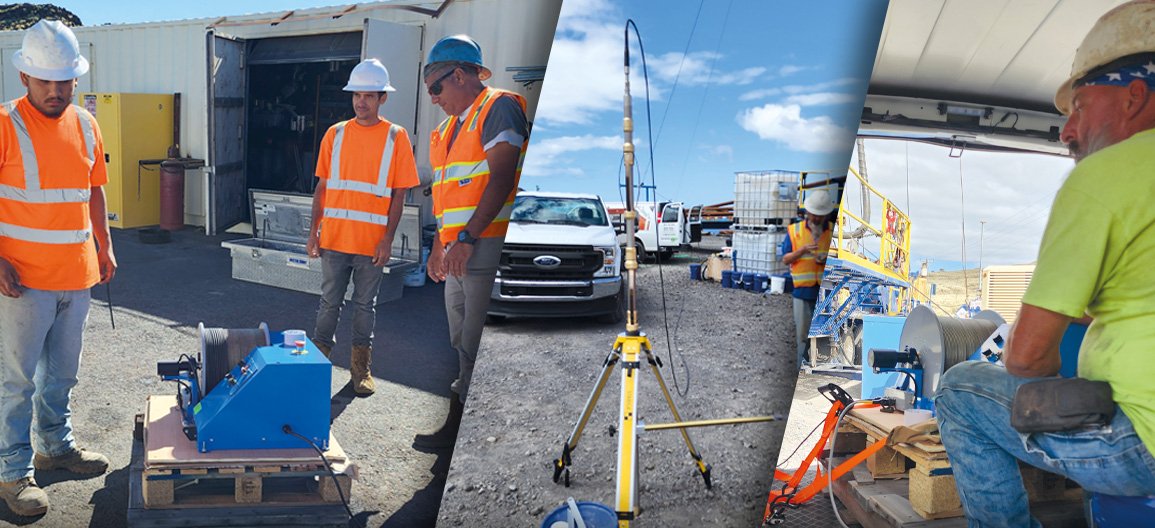
A three-day training programme was conducted, with the first day spent at the client’s base followed by two days on an active drill site.
On the first day, the engineer installed all the necessary software to the client computer and then unpacked and familiarized everyone with the equipment. An overview of safety and safe handling was discussed with each component.
The following two days comprised hands-on training on site for the operators to familiarize themselves with how to successfully conduct a gyroscopic deviation survey. The training included how to set up the equipment, how to set up the Gyro for survey and then run a complete survey. Once shown the process, each operator had the opportunity to set up, run the acquisition software, and rig down the equipment on their own, under observation from the engineer. Training was also given on how best to present the data obtained.
Training continued until each operator felt comfortable with the system and acquisition process and all questions had been answered. Upon completion of the training, the engineer was confident that the operators could successfully run a deviation survey either during drilling or after casing had been installed.


